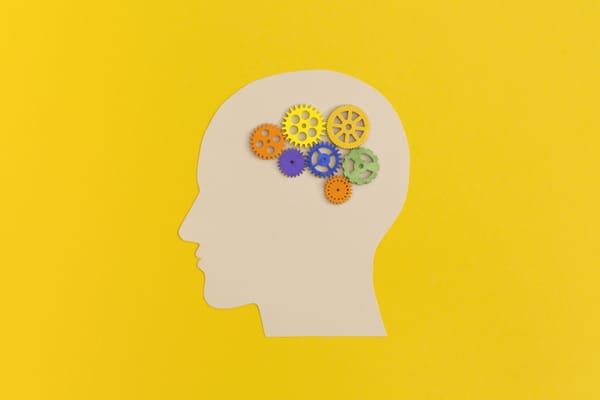
Walking backwards boosts brain power
This weird habit just proved to sharpen memory better than crossword puzzles.


The 83-year-old man walking backwards through my neighborhood park looked ridiculous. Until I learned what he was actually doing to his brain.
Last month, researchers at the University of Roehampton published findings that made me stop laughing. People who walked backwards for just six minutes scored significantly higher on memory tests than those who walked forward or sat still. Not slightly better. Dramatically better.
Your Brain on Reverse
Walking backwards forces your brain into emergency mode. Suddenly, your visual cortex works overtime to process unfamiliar spatial information. Your cerebellum fires rapidly to maintain balance. Your prefrontal cortex kicks into high gear, coordinating this complex dance of movement and attention.
This neurological scramble creates what scientists call "cognitive load." Your brain burns extra glucose, forms new neural pathways, and strengthens existing connections. Think of it as CrossFit for your hippocampus.
The memory boost lasts hours after you stop. Participants in the study could recall more words, faces, and details from earlier in the day. Their working memory improved by an average of 23%.
The Backwards Science
Why does moving in reverse unlock brain power? The answer lies in something called "embodied cognition." Your brain links physical movement with mental processes more than we ever realized.
When you walk backwards, you literally reverse your relationship with time and space. This spatial flip triggers the same neural networks involved in episodic memory. Your brain treats the unusual movement as a signal to pay extra attention and encode information more deeply.
Researchers tested this with everything from word lists to crime scene details. Backwards walkers consistently outperformed everyone else. The effect works even if you just imagine walking backwards while sitting in a chair.
Your Daily Reverse Protocol
Start small. Find a safe, flat surface like your hallway or a quiet sidewalk. Walk backwards for 30 seconds, then forward for 30 seconds. Repeat for five minutes total.
Do this right before you need to learn or remember something important. Before studying. Before a big meeting. Before trying to recall where you left your keys last Tuesday.
Advanced move: Try it barefoot on grass. The extra sensory input from your feet amplifies the cognitive benefits. Just watch for sprinkler heads and dog toys.
Tomorrow morning, walk backwards to your mailbox. Your neighbors might stare, but your brain will thank you. And when you ace that presentation or remember every item on your grocery list, you'll know why.
Don’t miss the next post. Subscribe to the newsletter for updates and exclusive content.