Cognitive Endurance: Training Your Brain for Long-Horizon Performance


Most people connect efficiency with focus, effort, or even output. But sustained success relies on something deeper: Cognitive endurance, the brain’s ability to maintain clarity, decision quality, emotional regulation, and resilience over extended periods, from months to even years.
High achievers often burn out, not due to lack of talent, but because they don’t train for long-term mental stamina. Cognitive endurance, much like physical endurance, helps you push through fatigue, remain strategically sharp under stress, and sustain high-level thinking over prolonged campaigns.
What Cognitive Endurance Really Is
Cognitive endurance differs from short-term focus. Focus captures attention in the moment, endurance preserves the quality of that attention over extended periods, especially under stress.
A person with a strong cognitive endurance can:
- Make sound decisions even after a long day of pressure
- Maintain emotional balance when the stakes are high
- Recover from setbacks without lingering cognitive fog
- Sustain clarity during prolonged problem-solving
This isn’t an inborn trait; it’s trainable, much like physical endurance.
Get To Know Why Mental Fatigue Happens
The brain’s prefrontal cortex governs reasoning, planning, judgment, and emotional regulation. Under prolonged cognitive demand, it tires. Mental fatigue isn’t just feeling tired; it diminishes your capacity for high-level thinking.
Research shows that constant decision-making or prolonged thinking impairs self-control and reasoning. This phenomenon, called decision fatigue, leads to poorer judgment and greater reliance on mental shortcuts.
Chronic stress worsens the effect. Continuous decision pressure elevates stress hormones over time, impairing cognitive control in the rostral prefrontal cortex.
Sustained cognitive pressure reduces performance and limits recovery and improvement.
The Hidden Cost of Decision Density
Professionals don’t make a few big decisions; they make hundreds of micro-decisions every single day. Email order, wording in a message, prioritizing tasks, and interpersonal judgments each drain a tiny amount of cognitive energy.
This “decision density” silently removes clarity. As the day wears on, people depend more on mental shortcuts than on thoughtful analysis, leading to mistakes, impatience, or oversights, even when they should still be sharp.
This pattern is a key reason tomorrow’s decisions often feel harder than yesterday’s: the brain didn’t get replenished, it got drained.
How to Train Cognitive Endurance
Here’s the insight: Endurance isn’t built in overload; it’s made around structured stress and recovery cycles.
Reduce Low-Value Cognitive Load
Low-value decisions drain brainpower needed for strategic thinking. Standardize predictable choices, like morning routines or meals, to reduce unnecessary cognitive load. Automating repetitive decisions frees mental bandwidth for higher-order thinking.
Stress Inoculation: Build Tolerance Without Overload
Moderate, controlled stress builds resilience, a principle called stress inoculation in sports psychology. Using structured challenges, like timed tasks or difficult conversations, the brain develops perseverance and the ability to handle future stress.
Protect Recovery Like a Strategy
Rest isn’t the opposite of productivity; it’s part of it. Quality sleep, recovery days, and low-demand periods rebuild neural function and prevent executive fatigue.
Train Emotional Regulation
Emotions count heavily in cognitive durability. Breathing techniques, mindfulness practices, or simply calling emotions aloud have been shown to reduce stress reactivity and preserve cognitive control under pressure. Integrating even brief emotional regulation practices can sustain long-term mental resilience.
Studies indicate that systematic mental training, like mindfulness, can improve attentional processes, working memory, and stress resilience over time.
Strategies That Enhance Endurance Over Time
Unlike short bursts of focus, these practices nurture sustainable brain performance:
- Structured rest — short breaks or micro-breaks during prolonged work flushes mental fatigue and sustains attention through the day.
- Physical activity — even moderate exercise reduces brain fog and improves working memory the next day, especially when paired with sleep.
- Mindfulness or meditation — strengthens attentional networks and buffers stress impacts.
- Balanced routine cycles — alternating high cognitive demand with recovery periods- enhance overall performance capacity.
The Competitive Advantage of Cognitive Endurance
Most professionals optimize for today’s output; a few of them optimize for tomorrow’s clarity. Cognitive endurance gives you:
- Longer strategic clarity during sustained projects
- Better judgment under ambiguous or stressful conditions
- Emotionally calm when the stakes rise
- Faster recovery from cognitive overload
Early Warning Signs You’re Losing Cognitive Endurance
Signs of declining mental stamina include:
- Decisions feel harder or more draining
- Emotional reactivity increases
- Creativity dips under pressure
- Procrastination spikes
- Sleep quality degrades
Train for the Long Horizon
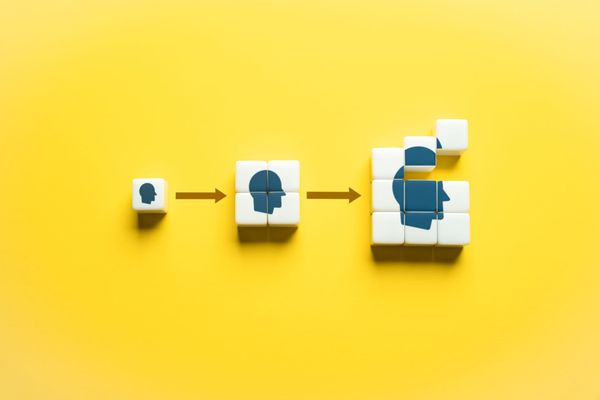
Cognitive endurance isn’t made in a single hour of alertness; it develops through sustained quality thinking over weeks, months, and even years.
Athletic stamina works the same way for the mind, building not through the experience of running until you collapse, but rather through a progression of measured challenges with rest/recovery woven into the training.
A professional referral to the ability to be calm under equitable pressure, rather than simply brief moments of brilliance, is well worth investing time and energy in building the brain’s endurance.
To do this, integrate recovery cycles into your schedule today, build brain resilience through economical types of challenges, and protect your brain’s greatest resource: your ability to think clearly when it is important to do so.
Don’t miss the next post. Subscribe to the newsletter for updates and exclusive content.