Strategic Idleness: Why High Performers Need Boredom, White Space, and Unstructured Thinking

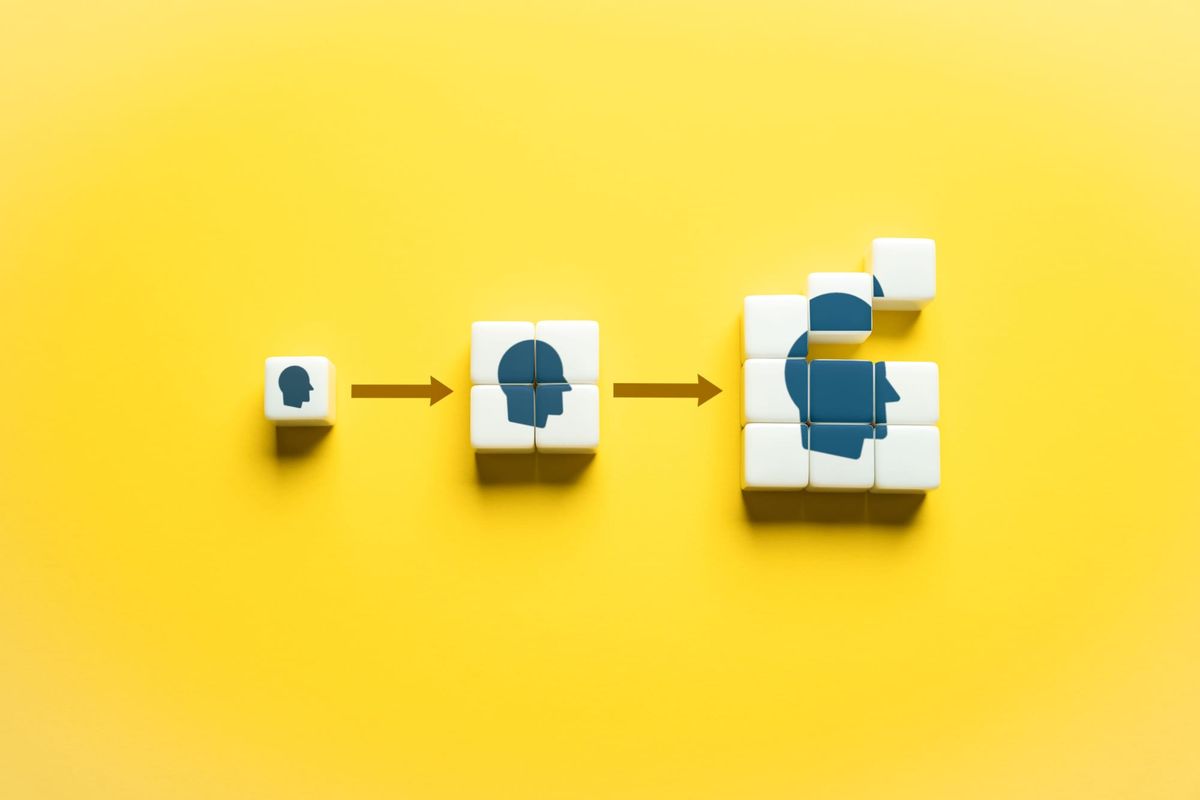
Modern performance culture rewards tangible effort: calendars are packed, notifications answered immediately, and output is measured in hours and deliverables.
Neuroscience tells something different: Some of the brain’s most important work happens when you’re not actively working. Strategic idleness, intentional, device-free mental downtime, activates neural systems that are linked to creativity and long-term planning. For high performers, this isn’t optional; it’s a competitive advantage.
The Brain at Rest Is Not Idle
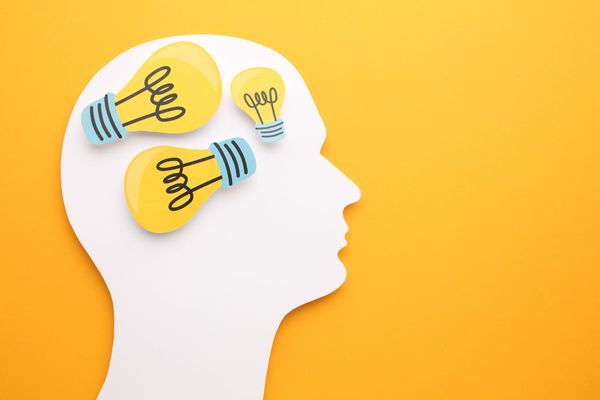
When you stop focusing on an external task, the brain shifts into the Default Mode Network (DMN). The National Institutes of Health states this network becomes highly active during wakeful rest, daydreaming, and internal reflection.
The DMN is associated with:
- Memory consolidation
- Future planning
- Self-reflection
- Creative association
- Meaning-making
In simple words, when you “do nothing,” your brain reorganizes information, integrates past experience, and simulates future scenarios. Research shows this network supports idea generation by linking distant concepts that focused attention alone can’t connect. Insight often emerges after intense focus, when the brain has room to think
This explains why solutions appear in the shower, on the walk, while staring out a window.
The Incubation Effect: Why Stepping Away Works
Psychologists call this phenomenon incubation: you work on a problem, step away, and later find a new perception. Studies summarized that quick breaks from active problem-solving increase the likelihood of insight. During such breaks, unconscious cognitive processing functions in the background.
Strategic idleness allows:
- Mental recombination of ideas
- Reduction of cognitive fixation
- Increased divergent thinking
- Better long-term strategic framing
Focused work narrows attention span; idleness expands it. Both are necessary, but most professionals overinvest in one and terminate the second.
Why High Performers Avoid Stillness
Despite the evidence, high achievers usually resist unstructured time, and this drives the three main forces behind this resistance:
Identity attachment to busyness
Productivity becomes a proxy for value. If you are not visibly producing, you feel behind.
Digital stimulation loops
Constant input — email, Slack, news, social media — prevents cognitive drift. The brain never enters reflective mode.
Discomfort with boredom
Publication has shown that many people would rather receive mild electric shocks than sit alone with their thoughts. Silence feels threatening.
But here’s the twist: boredom isn’t a flaw, it’s a neurological pathway. When stimulation drops, the brain begins searching internally for engagement. That search fuels creative association.
The Cost of Eliminating White Space
Whenever a workday contains no mental recovery, performance can be seen declining constantly in subtle ways, such as:
- Decision quality decreases
- Strategic thinking becomes reactive
- Emotional regulation weakens
- Long-term planning collapses into short-term urgency
A constant cognitive load prevents integration; you absorb information without processing it, resulting in activity without clarity.
The Cleveland Clinic notes that mental downtime supports memory processing and creative problem-solving. Without it, stress accumulates and thinking narrows. High output without oscillation leads to burnout, not because of effort alone, but because of sustained mental compression.
Strategic Idleness vs. Passive Distraction
Many mistakenly treat social media scrolling as restorative. While it may feel relaxing, it keeps attention captured and dopamine engaged, so the scrolling never truly ends
Strategic idleness has three characteristics:
- No digital input
- No directed task
- No structured outcome
The goal isn’t productivity; it’s mental peace. During this time, the brain rejuvenates and organizes. Walking without audio, sitting quietly, or driving without music can activate reflective thinking, while passive content rarely does
How Strategic Idleness Improves Leadership and Strategy
The Default Mode Network (DMN) simulates future scenarios, a crucial tool for long-term decision-making. Unstructured thinking helps you:
- Make connections between today's information and yesterday's memories.
- Understand the second-order consequences of a decision.
- Understand subtle forms of repetition.
- Make clear predictions about the priority order of events.
Leaders who schedule weekly reflection often report better decisions and fewer impulsive choices. Strategic idleness isn’t inactivity; it’s upstream, process-based thinking.
Practical Framework: Build White Space Into Your Week
Intentional idleness must be scheduled. Otherwise, urgency will erase it.
Daily Reflection Window (10–20 Minutes)
Set aside 10-20 minutes with no device or music near you. Sit, walk, or stand without any external input. Once finished, write down one thoughtful insight, question, or idea that surfaced.
Walking Without Input
Replace at least one podcast or audio session per week with silent walking, just you and your thoughts. Movement keeps you alert while allowing the mind to wander naturally and form new connections.
Weekly Long-Form White Space (45–90 Minutes)
Block 45-90 uninterrupted minutes for open thinking, having no agenda or deliverables. Use a notebook if needed, and avoid prompts; allow your thoughts to move freely.
Replace Reactive Scroll Time
Evening scrolling fragments attention and prolongs stimulation. Swap 15 minutes of screen time for deliberate stillness and give your brain space to reset.
Common Mistakes
Mistake 1: Overstructuring the time
If you turn white space into a performance ritual, you defeat the purpose.
Mistake 2: Expecting immediate results
Insight compounds. The effect builds over weeks.
Mistake 3: Confusing boredom with inefficiency
Boredom is a transition state. Break through it instead of escaping it.
A New Definition of Productivity
High performance isn’t constant activation; it’s intelligent oscillation, focused effort declassifies compressed information, and strategic idleness incorporates it. The most effective professionals don’t eliminate stillness; they secure it. To gain sharper thinking, better decisions, and clearer direction, start with one small shift:
Schedule 15 minutes of intentional boredom tomorrow.
No device. No objective. No noise.
Your brain already knows what to do.
Don’t miss the next post. Subscribe to the newsletter for updates and exclusive content.