Why Your Body Feels Older Than You Are


What to Do About It Without Extreme Regimens
You wake up, look in the mirror, glance at your calendar, and wonder how you got here. You’re not old, yet everything feels harder than it used to. When did that happen?
You bend to tie your shoe and can now hear a soft sound of pain from your knees, which was nearly silent for most of your life. The same happens when you are doing many simple things. You attribute these changes to your age, but there is a little more to it.
Your body has gradually adapted to how you use it, often in limited and repetitive ways
Research confirms that higher levels of daily physical activity are positively associated with musculoskeletal fitness and mobility, while sedentary behavior correlates with declines in grip strength, walking endurance, and physical performance.
It's not because of your chronological age.
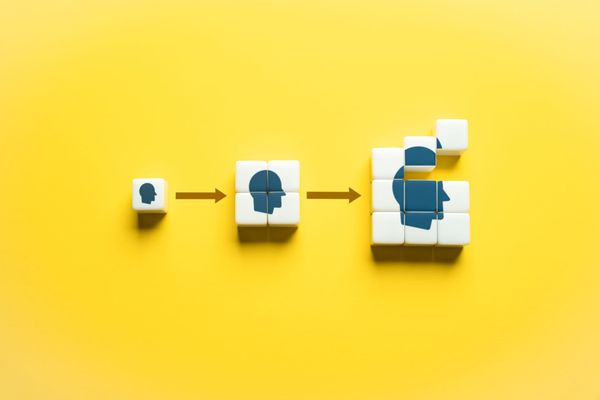
Aging Isn’t a Cliff, It’s a Slow Drift
Most people treat aging like an event, a birthday that suddenly makes you “older.” But the real process is gradual; every year that goes by without intentional structural maintenance adds up. You don’t see a big loss; you only note things that are slower, stiffer, and tighter.
Mobility shrinks, strengths go away, recovery lags, and the sleep cycle deteriorates. It isn’t dramatic in the moment, but it compounds. This slow change is not a condemnation; it’s a conditional state, one that responds strongly to the inputs you choose today.
The Four Structural Domains That Determine How Old You Feel
Let’s unveil what’s behind the curtain and look at the systems that are responsible for functional age, how well your body performs, not how old you are on paper.
Joint Range and Tissue Elasticity
To remain healthy and whole, the joints and active tissues of your body require many different types of movements. If you spend all day sitting facing one direction, you're restricting your joints from being able to move in diverse ways. Keeping your joints healthy isn't only about going through your occasional workouts; it's about continually pressing through the entire range of motion in the joint, squatting, overhead reaching, rotating, loading, and unloading weight.
Strength: Your Structural Armor
Strength isn’t about looking a certain way. It’s about whether your body can protect itself. Strong muscles support joints, stabilize the spine, divide loads, and reduce the risk of injury. When muscles weaken, joints take all the stress.
Recovery and Repair Capacity
Recovery isn’t a passive downtime. It’s the time when your body actually heals up:
- Sleep restores tissues and hormones
- Restful weekends reset stress chemistry
- Low‑demand periods clear neurochemical buildup
Metabolic Flexibility
Your body switches between the available sources, depending on the demand and availability. However, it’s good for your body to constantly move between glucose and fat for energy. Poor metabolic flexibility means you are dependent on quick calories, crash sooner, and even feel lazy after eating “healthy.”
Why These Losses Happen Earlier Than You Expect
Modern life compresses movement variety and recovery:
- Sitting at desks for long periods
- Repetitive movement patterns
- Poor sleep environments
- Chronic low‑level stress
- Sporadic, intense workouts instead of a daily movement flow
How to Reverse Functional Aging Without Extreme Regimens
Here’s the good part: Your body responds exceptionally well to structural cues. You don’t need training plans, you don’t need countless hours in the gym, you only need a purposeful movement that signals your nervous system and tissues that they still matter.
Restore Full‑Range Movement Every Day
Initiate with what your body used to do naturally:
- Deep squat to the ground and stand
- Reach both arms overhead without rounding the shoulders
- Rotate your torso left and right
- Step backward and forward with control
With time, these movements:
- Increases joint functionality and lubrication.
- Improve connective tissue elasticity.
- Reminds your body that motion is normal, not optional.
Lift Something Meaningful Weekly
Strength here doesn’t mean heavy squats every day; it means loading responsibly:
- Weighted carries with groceries or bags
- Bodyweight squats that challenge the legs
- Resistance exercises like rows or presses
- Controlled hinge movements like Romanian deadlifts
Protect Sleep as a Repair Priority
Sleep is something that’s taken for granted; it’s when your system regenerates. Hormones rebuild, muscles recover, and metabolism resets.
Quality sleep reduces inflammation, supports hormonal balance, and improves resilience. Without its support, your body works in a constant survival mode. That’s nowhere near aging; it’s more like exhaustion.
Protect your sleep first. Improve the environment. Install consistency. Let your system rebuild.
Move More Often, Not Just Intensely
Daily movement matters more than “crushing it” once a week. Walk. Change positions. Move playfully. Keep blood flowing and nerves engaged. Think of movement as a tissue nourishment cycle, not a task to check off.
A Tale of Two 50‑Year‑Olds
Imagine two people:
One gets up from the floor with ease.
She squats comfortably.
She carries things without hesitation.
She sleeps soundly.
The other avoids stairs.
He hesitates to pick things up.
His evenings are painful and stiff.
He sleeps fitfully.
They’re the same age chronologically.
Their bodies feel decades apart.
The difference isn’t luck.
It’s the signals the body has been giving, and being ignored.
You Don’t Feel Older Because You Are
As older adults, many of us experience how our structural systems have either been under repair and/or out of alignment for such a long time, resulting in lost mobility. You haven’t lost your ability to move all at once; it has been a gradual decline where you didn’t notice the changes until it was obvious.
The good news is that functional age has no limit, is adjustable and variable, and therefore, nothing is fixed. Your body responds to consistent input, not your birth date.
Don’t miss the next post. Subscribe to the newsletter for updates and exclusive content.